
Why can black silicon carbide be used for drilling holes in high-borosilicate glass?
1. High Hardness and Sharp Edges
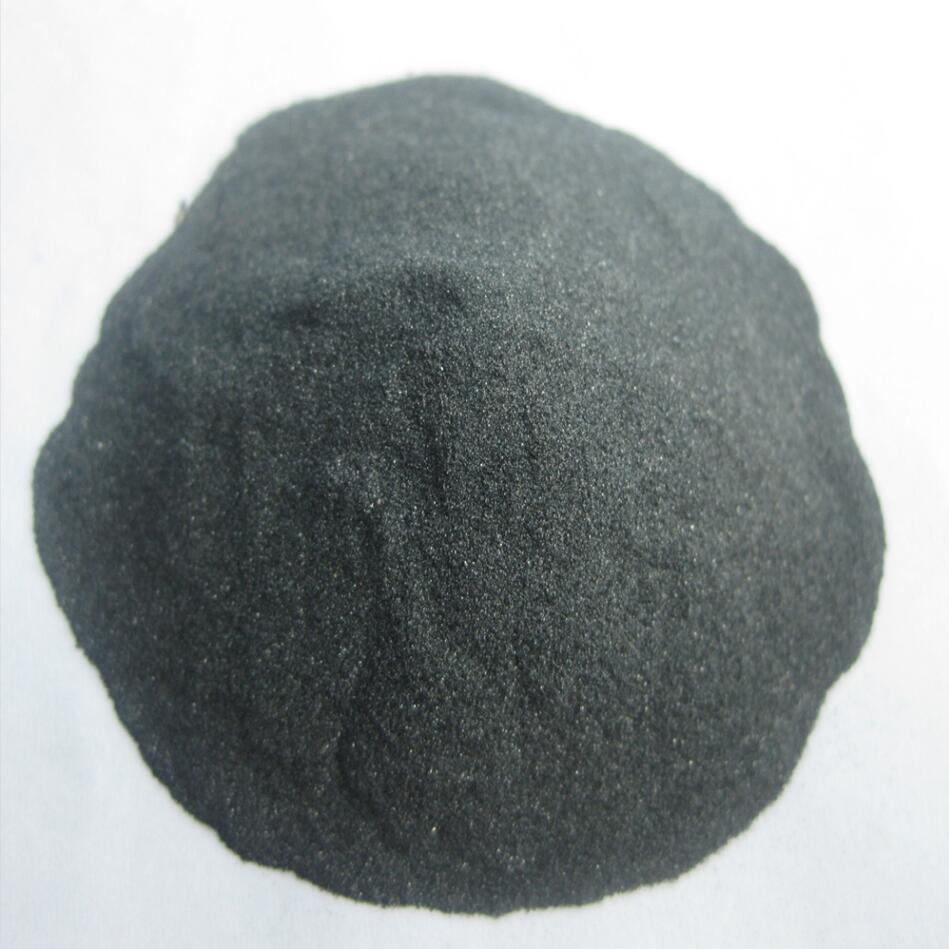
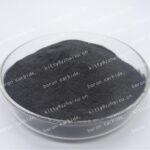
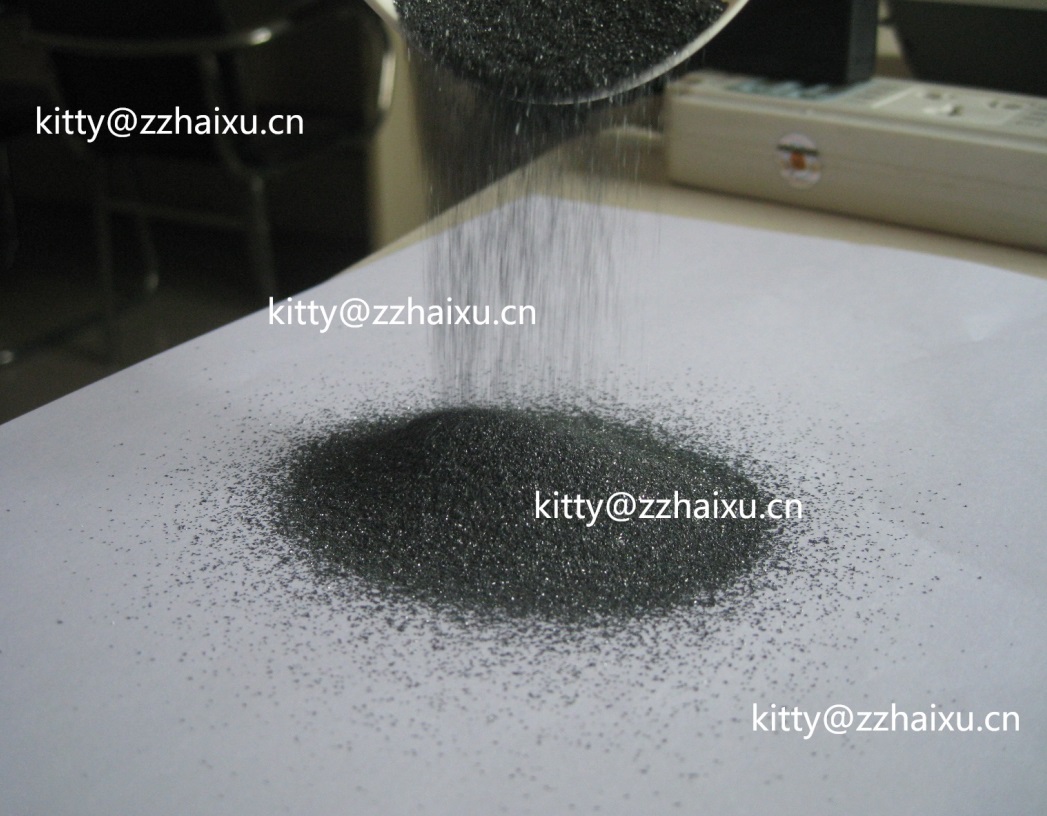
Black silicon carbide (SiC) possesses a higher microhardness than white fused alumina. As its particles fracture, they continuously expose new, sharp cutting edges—a property known as “self-sharpening.” This allows the material to steadily erode the silicon-oxygen network of the glass, breaking it down into fine, microscopic particles rather than tearing it apart forcefully.
White fused alumina, by contrast, has a lower hardness and its particles tend to be blunter. Furthermore, in the presence of water-based cooling, aluminum oxide can undergo a hydration reaction with the glass and the water, which often leads to “loading” (clogging of the abrasive tool), heat buildup, and edge chipping—the primary reasons why white fused alumina is not the preferred choice for grinding glass.
2. Excellent Thermal Conductivity, Mitigating Thermal Stress (Crucial for Borosilicate Glass)
Although borosilicate glass has a low coefficient of thermal expansion (3.3) and high resistance to thermal shock, localized heat generated during grinding can still induce micro-cracks and edge chipping. Black SiC offers superior thermal conductivity compared to fused alumina, efficiently dissipating heat from the grinding zone. When combined with water cooling, this significantly reduces the risk of cracking caused by thermal shock.
3. Matching Brittleness: “Brittle-on-Brittle” Grinding
Black SiC is inherently brittle; under stress, it fractures along its cleavage planes, constantly revealing fresh, sharp edges. Glass is also removed through brittle fracture. This pairing is ideal for brittle materials: effective grinding can be achieved with only light pressure. If excessive pressure is applied, the abrasive particles themselves will fracture first, preventing the glass from suffering large, catastrophic chips.
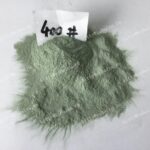
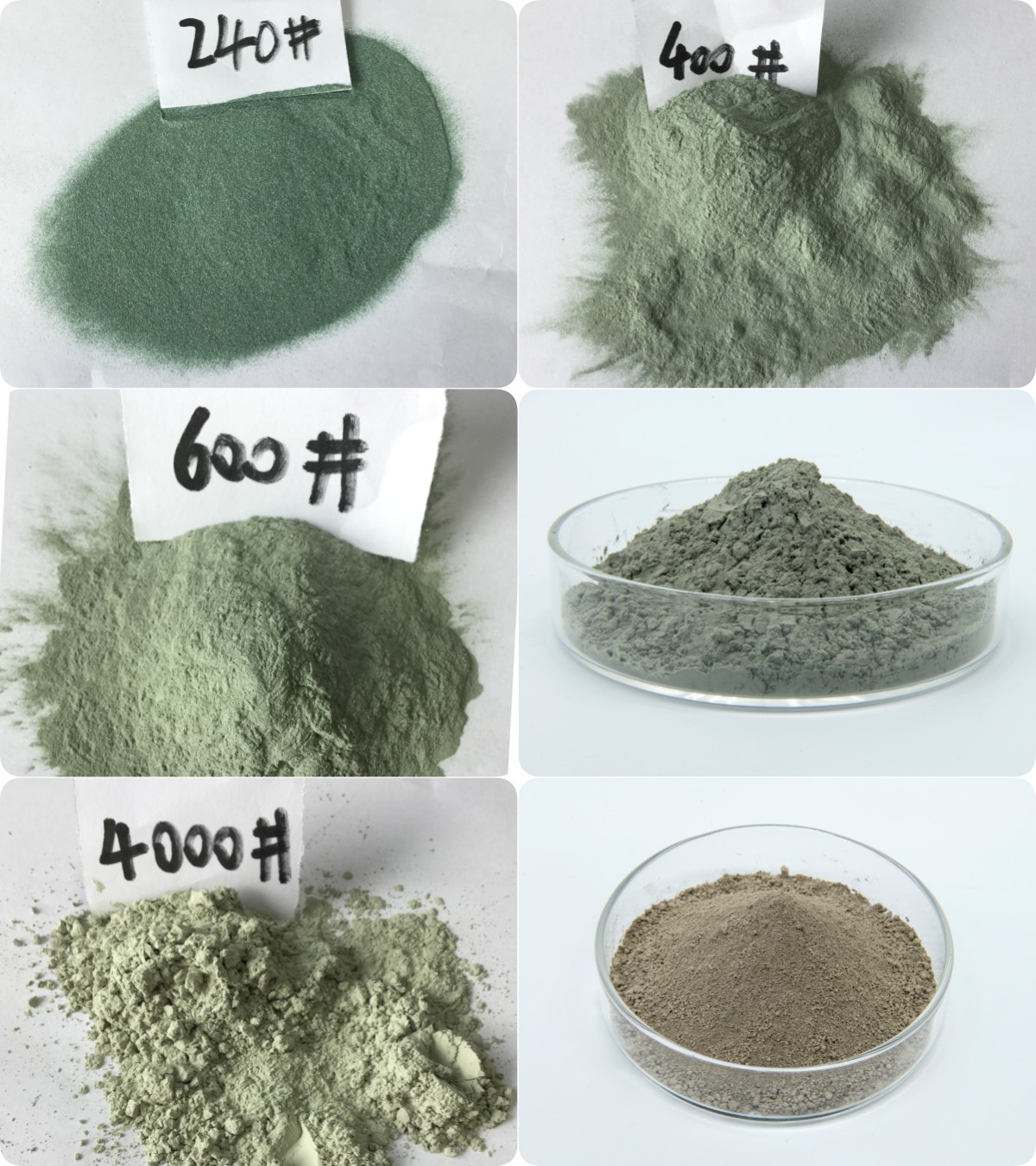
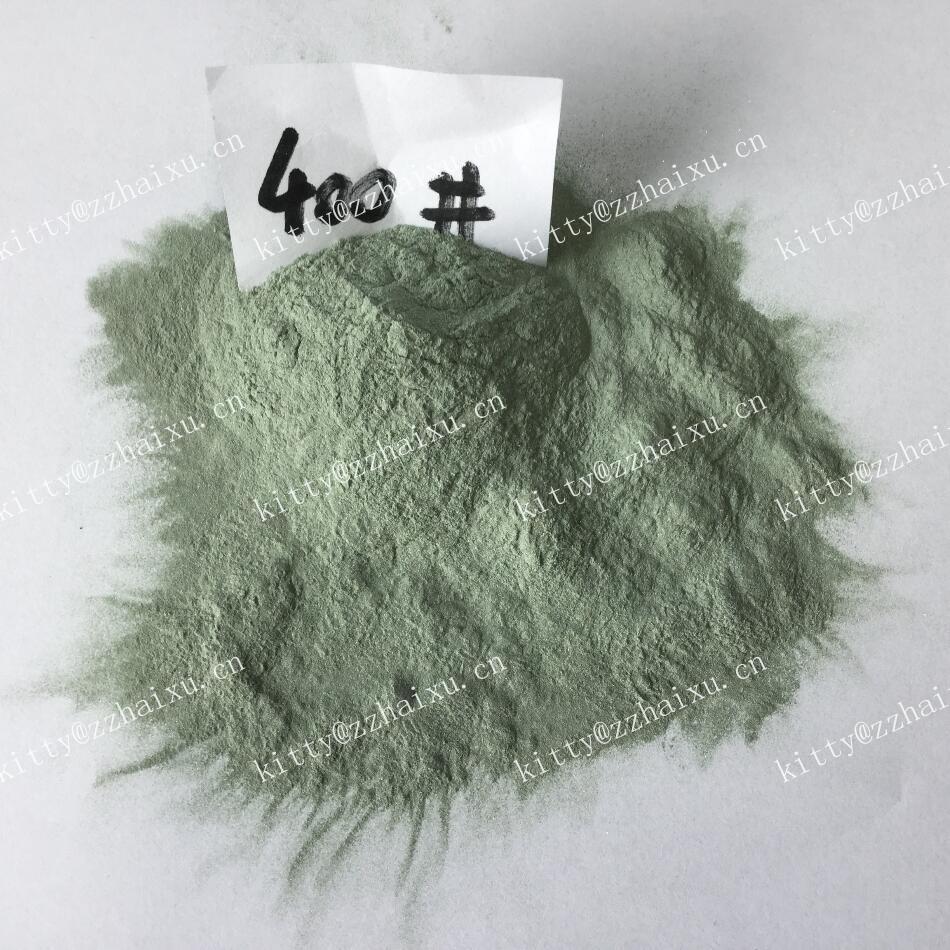
Comparison: Green SiC has higher purity and is more brittle, making it better suited for the precision grinding and polishing of optical glass. Black SiC, being slightly tougher than green SiC, offers a better cost-performance ratio for rough drilling and high-volume processing.
4. Chemical Inertness and Resistance to Clogging
SiC is chemically stable; at room temperature, it does not react with borosilicate glass or cooling water. It is less prone to accumulating glass dust or “loading” the grinding tool, which ensures higher-quality hole walls and minimizes the occurrence of scratches or pitting.