
Boron carbide is generally not used for the entire valve body. It is mainly used for hard sealing pairs (valve balls, valve seats, sealing rings, throttling parts). It is mostly used in harsh pipelines with high pressure, solid particles, strong corrosion, and high-speed erosion (oil and gas, chemical industry, mud, nuclear power high-pressure media).
1. Advantages of core materials (matching the pain points of high-pressure valves)
1. Ultra-high hardness, wear resistance and particle erosion resistance (most important)
The Mohs hardness of boron carbide is ≈9.5, and the Vickers hardness is 2900~3600 HV, which is higher than silicon carbide and much higher than hard alloy. .
2. Excellent chemical inertness and strong corrosion resistance
It is almost not corroded by most acids, alkalis, salts and organic solvents at room temperature;
3. Good thermal stability at high temperatures
The melting point is about 2450°C, and the hardness will not drop quickly under medium and high temperature conditions; the thermal expansion coefficient is low (4.5~5.6×10⁻⁶/°C), and when high pressure + temperature fluctuations occur, the sealing surface will have small deformation, making it less likely to cause sealing failure.
4. Low density, high rigidity
The density is only 2.52 g/cm³, which is much lower than silicon carbide and WC cemented carbide. Ball valves and rotary seals have smaller weights:
Under high-pressure reciprocating action, the impact load is reduced and the dynamic sealing stability is improved.
5. Low friction coefficient under dry friction and self-lubricating properties
Many high-pressure pipelines do not have lubricating oil; boron carbide paired with ceramic/tungsten carbide sealing pair has lower friction and heat, is not easy to bite and strain, and is suitable for high-pressure cut-off valves and regulating valves that frequently open and close.
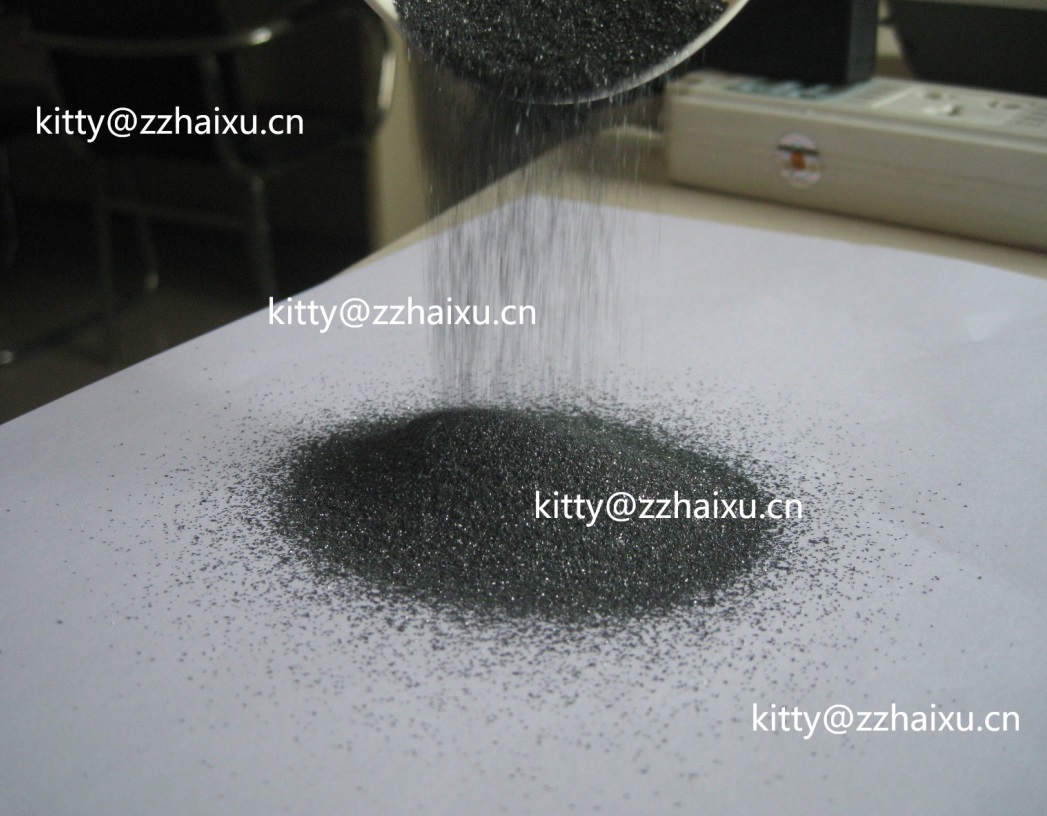
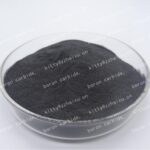
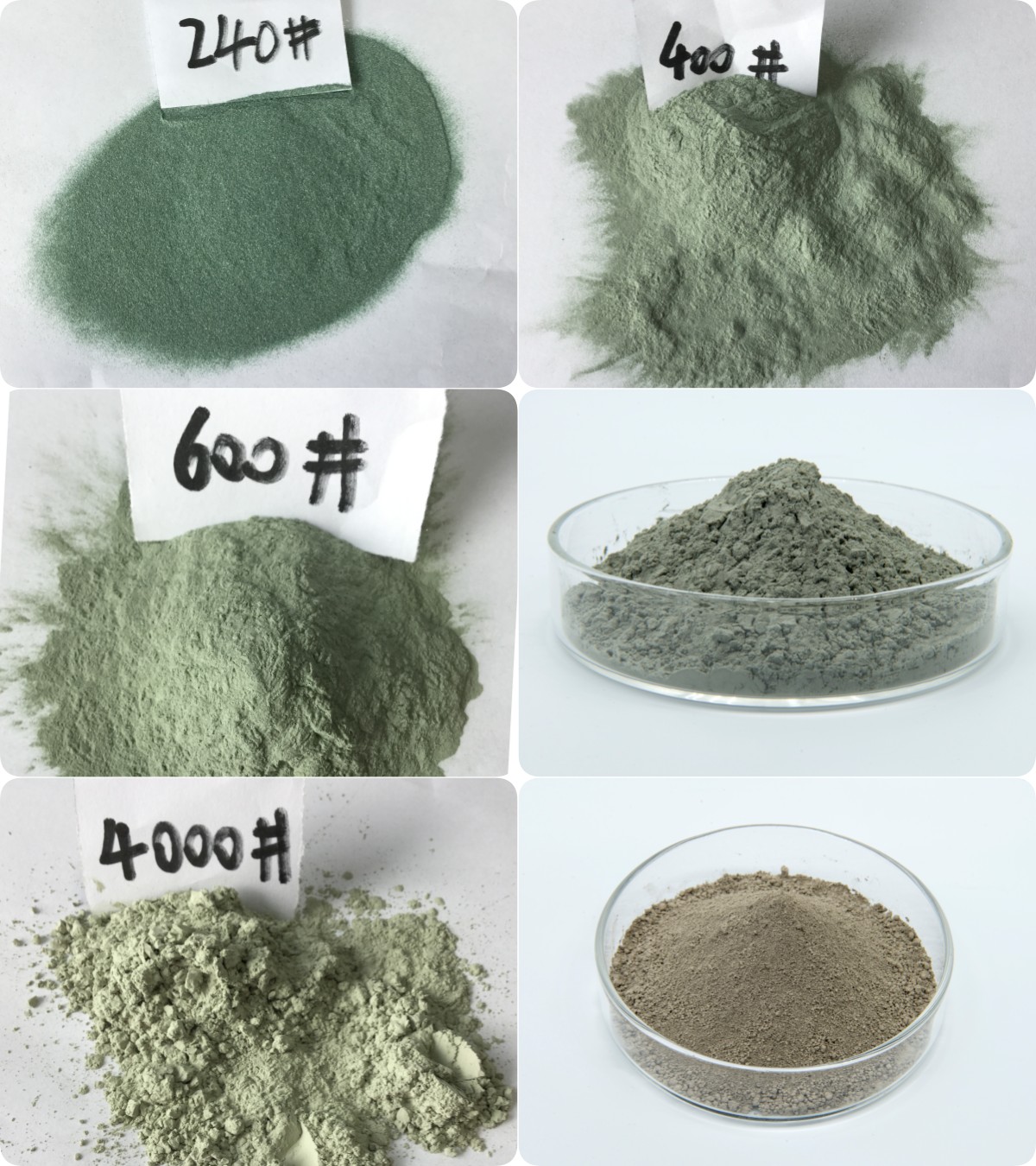
Boron carbide B4C: